
Panel Upgrades & Code Compliance: Ensuring Safe EV Charging at Home in 12:45
Imagine plugging in your electric vehicle after a long day, only to be greeted by flickering lights or, worse, a blown fuse. That was me not too long ago—thinking I had everything under control, only to realize my home’s electrical panel wasn’t prepared for the surge of a high-capacity EV charger. The frustration was real, and it made me ask: am I truly safe, or am I risking something more serious? This lightbulb moment led me down a path of learning about the importance of proper panel upgrades and adhering to electrical codes to keep my home—and my family—safe.
Why Your Home Needs More Than Just an Outlet for Your EV
When I first bought my EV, I was eager to get it charging at home. Like many, I assumed that plugging into a standard outlet would do the trick. But quickly, I learned that this approach could be unsafe and inefficient. The truth is, EV chargers draw a significant amount of power, and without the proper upgrades, your home’s electrical system can become overwhelmed. This isn’t just about convenience—it’s about safety and compliance with local electrical codes, which are designed to protect you from potential hazards like fires and electrical shocks. Upgrading your panel isn’t just recommended; it’s essential for reliable, safe charging.
Is a Panel Upgrade Worth the Cost and Effort?
I admit, I was skeptical at first. The idea of tearing into my wall and spending on a panel upgrade seemed daunting. But skipping this step can lead to bigger problems down the line—fuse blowouts, electrical fires, or damage to your new EV. Early on, I made the mistake of thinking a simple extension cord would suffice. Trust me, that’s a dangerous shortcut. Instead, I found that a professional panel upgrade ensures your system can handle the load and complies with safety standards. For a detailed look at what’s involved, check out this guide on panel upgrades for EV chargers.
What’s Next? Getting Your Home Ready for Safe EV Charging
Now that I understand the what and why, I’m committed to making sure my setup is compliant and safe. The key is verifying code compliance and ensuring your electrical system can support your EV charger’s demands. If you’re thinking about upgrading your panel or just want to make sure your current setup is safe, I recommend consulting with a licensed electrician who understands local codes. You can even verify your installation’s compliance by visiting this resource. The peace of mind knowing your home is safe and your EV is charging reliably is priceless. Ready to take the next step? Keep reading for practical tips on how to upgrade your panel and ensure your system meets all safety standards.
Hire a Licensed Electrician and Plan Ahead
The first concrete step I took was finding a qualified electrician experienced in EV charger installations. During my initial consultation, I explained my current setup and my plans for a dedicated EV charging station. The electrician assessed my electrical panel and recommended a full upgrade to handle the increased load. Remember, attempting this yourself can be dangerous and may violate local codes, so always go with a professional. To get started, contact an electrician through a trusted service or check local directories. For more details on choosing the right professional, visit this contact page.
Assess Your Current Electrical System
Before any upgrades, I had my current electrical system evaluated. This involved inspecting the main panel, verifying the capacity in amperes, and checking existing circuits for overloads. I also reviewed my home’s electrical plans to identify potential weaknesses. This step is crucial because it determines whether your panel can be upgraded or if a replacement is necessary. During my assessment, my electrician used a clamp meter to measure actual loads and confirmed if my panel met the minimum standards for EV charging. A useful resource to understand what to expect is this guide on verifying code compliance.
Upgrade Your Panel for Safety and Efficiency
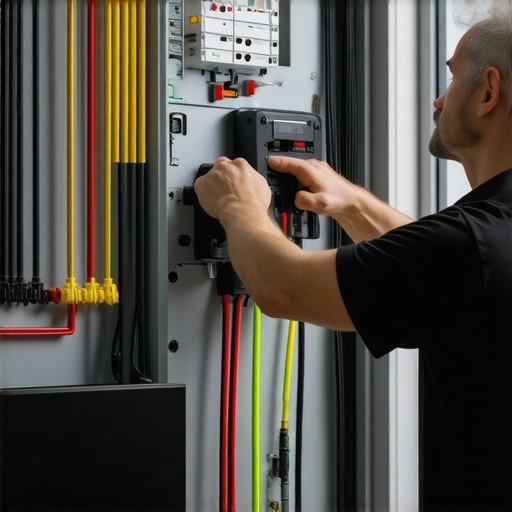
Once the assessment was complete, I moved forward with the upgrade. The electrician replaced my existing panel with a new, higher-capacity unit, ensuring it could handle the dedicated circuit for my EV charger. This process involved disconnecting the old panel, installing the new one, and adding a dedicated 40-50 amp circuit breaker tailored for high-capacity charging. During the upgrade, I made sure the electrician used UL-listed equipment and followed manufacturer instructions. For detailed steps on what this entails, see this article on upgrading panels. After installation, a thorough testing phase confirmed everything was functioning correctly and safely.
Ensure Code Compliance and Obtain Necessary Permits
Code compliance is non-negotiable. My electrician submitted the upgrade plans for local permit approval, which involved showcasing compliance with the National Electrical Code (NEC). I personally verified that all work was inspected and approved by local authorities. This step prevents future issues and ensures my home remains safe. To verify if your installation complies, review this resource on code compliance. Keep copies of all permits and inspection reports for your records.
Use Proper Wiring and Connectors
During the upgrade, I insisted on high-quality wiring rated for the amperage and environment. This included using appropriately rated conductors, connectors, and weatherproof enclosures if the charger is outside. Proper wiring prevents overheating and ensures durability. I also made sure the wiring was neatly organized and secured, reducing the risk of accidental damage. For detailed wiring standards, consult this expert guide on wiring and upgrades.
Conduct Final Safety Inspections
After completing the installation, I scheduled a final inspection with my local electrical inspector. This review confirmed that all work adhered to safety standards and code requirements. Passing this inspection gave me peace of mind that my home is safe for high-capacity EV charging. Remember, skipping this step can leave you vulnerable to hazards and potential legal issues.
Maintain and Monitor Your System
Finally, I set up routine checks to monitor my system’s performance and ensure ongoing safety. Regular inspections, combined with proper maintenance, can prevent issues before they become serious. If you ever notice irregularities like flickering lights or circuit trips, consult an electrician immediately. For troubleshooting tips, visit this troubleshooting resource.
Following these concrete steps makes sure your home’s electrical system is ready for safe, reliable EV charging, complying with all safety standards and avoiding costly or dangerous mistakes.
Many homeowners believe that simply installing a new, higher-capacity breaker is enough to safely support their EV charger. However, this misconception can lead to serious issues, including electrical fires or damage to your home’s wiring. The truth is, the process of upgrading your electrical panel requires attention to nuanced details that many overlook.
One of the most common myths is that a larger breaker automatically means the system can handle more load. In reality, the breaker size must match the wiring capacity and the panel’s overall design. Installing a bigger breaker without upgrading the wiring or assessing the panel’s capacity can cause overheating and potential failures. According to this expert guide, understanding the entire load distribution is essential for a safe upgrade.
Another mistake is neglecting to verify the compatibility of your existing panel with modern electrical codes. Many older panels lack the necessary spaces or are not rated for continuous high loads like EV chargers. This oversight can result in code violations, which might invalidate your insurance or lead to costly rework. Always consult with a licensed electrician and check these guidelines to ensure compliance.
What Advanced Homeowners Often Miss
For those with a technical background, one of the most overlooked aspects is the importance of load calculation. It’s not enough to just replace the panel; you need to analyze your entire household electrical load, including appliances, HVAC systems, and lighting. Failing to do this can result in an overloaded system that trips frequently or, worse, creates fire hazards. A comprehensive load calculation, like the one recommended by this resource, ensures your upgrade is both safe and effective.
Make sure to also consider future expansion. If you plan to add solar panels or other high-demand systems, factor these into your upgrade. Overlooking this can mean costly rework in just a few years. Remember, a well-planned upgrade is an investment in your home’s safety and reliability.
Have you ever fallen into this trap? Let me know in the comments. For professional help and to ensure your system is up to code, contact a licensed electrician through this contact page.
Tools I Recommend for Long-Term EV Charging Safety
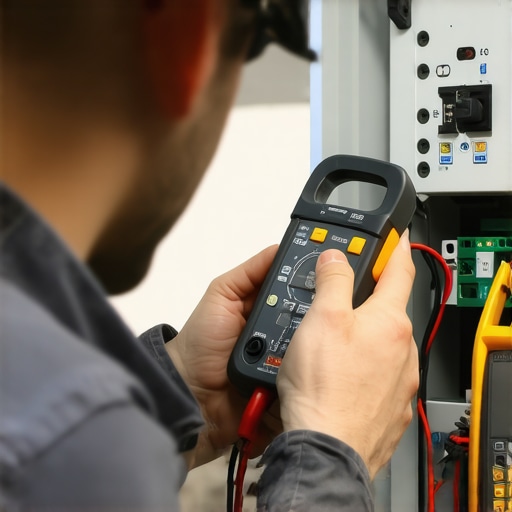
Maintaining a reliable and safe EV charging setup requires the right equipment and regular checks. One of my top tools is the Clamp Meter. I personally use a Fluke 376 True RMS Clamp Meter because it provides accurate load measurements without disconnecting circuits. This helps me verify that my electrical panel handles the load properly, especially after upgrades. Additionally, I rely on a Residual Current Device (RCD) tester to ensure my GFCI outlets are functioning correctly, preventing shocks and fire hazards. These tools are essential for ongoing maintenance and troubleshooting.
For software, I recommend using Electrical Load Calculation Software like ETAP or SKM PowerTools. I use these programs to simulate my home’s electrical load, ensuring my panel can handle future expansions like solar or additional EV chargers. These tools help identify potential overloads before they become real problems, saving time and money in the long run.
How do I maintain my EV charging system over time?
Regular inspections are vital. I schedule annual check-ups with a licensed electrician who uses these tools to assess my system’s health. Visual inspections for signs of wear or corrosion, combined with load measurements, keep my setup running smoothly. I also keep a maintenance log documenting any repairs or upgrades, which helps track system performance and plan future upgrades.
In the future, I predict that smart diagnostic tools integrated with home automation will become the norm. These will continuously monitor system health, alerting homeowners to issues before they escalate. Staying ahead with these advanced tools will ensure your EV charging system remains safe and efficient for years to come.
Why Proper Maintenance Matters for Your EV Charger
Keeping your EV charger working reliably isn’t a one-time effort. It involves using the right tools and following a systematic maintenance routine. For example, regularly testing your GFCI outlets with a dedicated tester can prevent electrical shocks. Checking wiring connections with a multimeter or clamp meter ensures there are no loose contacts that could cause outages or fires. Moreover, verifying code compliance periodically with professional inspections guarantees your setup adheres to evolving safety standards.
Lastly, always keep up with the latest updates from trusted sources like this troubleshooting guide, which offers expert tips on maintaining and troubleshooting EV chargers. Implementing these practices will extend the lifespan of your system and keep your home safe.
Try integrating a clamp meter into your routine inspection today. It’s a small investment that pays off by catching issues early, ensuring your EV charging remains safe and reliable over the years.
< >
>
The Hardest Lesson I Learned About EV Charger Safety
One of my biggest realizations was that a simple upgrade to a larger breaker isn’t enough. I once thought just replacing the fuse or breaker would suffice, but I overlooked the importance of wiring capacity and load calculations. That oversight could have led to dangerous overheating or fires. The crucial lesson was understanding that every component in the electrical system must be compatible and rated correctly for high-capacity charging—never cut corners on safety.
3 Myths About Home EV Charging That Could Cost You
Many homeowners believe that any upgraded breaker will handle their EV charger safely. Another myth is that older panels can just be rewired without full replacement—this isn’t true and often violates codes. Lastly, some think a dedicated outlet is enough, but without a proper panel upgrade, your system remains vulnerable. Dispelling these myths helped me realize the importance of professional assessment and proper upgrades for reliable, safe charging.
What Experts Won’t Tell You About Panel Upgrades for EVs
Professionals often emphasize the importance of load calculations, but I found that many homeowners underestimate future expansion needs. Planning for solar, additional EVs, or home automation is key—it’s not just about today’s needs. I also learned that proper wiring, permits, and inspections are non-negotiable. Skipping these steps might save money upfront but can cost dearly later in repairs or safety risks. Trusting the right resources and professionals makes all the difference.
My Essential Toolkit for Safe EV Charging
To maintain a safe electrical system, I rely on tools like the Fluke 376 True RMS Clamp Meter for accurate load measurement and GFCI testers to ensure outlet safety. I also use load calculation software like SKM PowerTools to simulate future expansion. These tools empower me to catch potential issues early, ensuring that my home remains safe and compliant with codes. Regular use of these tools is a game-changer for ongoing safety.
Take Action Today to Protect Your Home and Family
Don’t wait until a problem arises—start planning your panel upgrade now. Consult with a licensed electrician, verify your system’s compliance, and use the right tools for maintenance. Your home’s safety and your peace of mind depend on proactive steps. Remember, a well-executed upgrade isn’t just about faster charging; it’s about ensuring your home remains a safe haven for everyone. Ready to make that move? Your future self will thank you.